




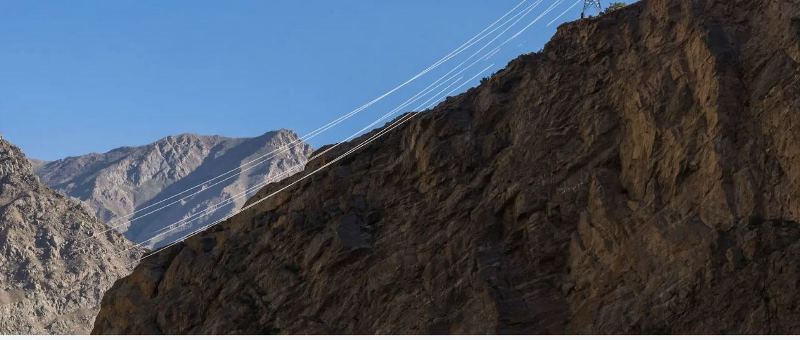
Tajikistan’s Gorno-Badakhshan Autonomous Region (GBAO) is set to achieve near-universal electrification by the end of this year, following the completion of three major energy initiatives led by the Aga Khan Fund for Economic Development (AKFED), according to the Aga Khan Development Network (AKDN).
The projects — the 11 MW Sebzor Hydropower Plant (HPP), critical grid upgrades, and new decentralized renewable energy systems under the Tajikistan Rural Electrification Project (TREP) — will extend reliable, clean power to nearly all of GBAO’s 220,000 residents. In 2002, only 13% had electricity access.
Located at over 2,500 meters above sea level in Roshtqala district, Sebzor HPP generates over 76 million kWh annually and supports both local demand and cross-border electricity exports to northern Afghanistan. It is the first globally certified Gold project under the Hydropower Sustainability Standard.
Recent infrastructure milestones include the EU-funded Vamar Substation and 53 km Khorog–Vamar transmission line, plus groundbreaking for the Qozideh Substation and 42 km Vamar–Vaznavd line. These investments aim to boost grid reliability, reduce technical losses, and withstand the region’s harsh conditions.
In parallel, TREP has launched microgrids powered by small hydropower, solar, and battery systems in remote settlements, bringing electricity to communities unreachable by conventional grid expansion.
Together, these initiatives reflect an alignment of international partnership and local leadership, and underscore the resolve of AKDN, its partners and Tajikistan to build a green, connected, and inclusive energy future in GBAO.
Backed by partners including the EU, World Bank, German Foreign Ministry, PATRIP Foundation, and Aga Khan Foundation, the initiatives mark a milestone in Tajikistan’s clean energy transition and its National Development Strategy 2016–2030.


Emomali Rahmon inaugurates new factory and educational institutions in Tursunzoda
Traffic jams in Dushanbe: a result of urban planning failures
One year without Assad: what has changed in Syria
Iranian ambassador stresses deeper cooperation between Iranian and Tajik specialized institutions
Tajikistan criminalizes crypto mining with stolen electricity
Fake traffic police officers arrested in Dushanbe for extorting money from drivers
Bezhan Abdulloyev crowned 2025 China Racing Champion
Tajikistan to introduce recycling fee for imported batteries
Tajikistan and UN discuss the development of UNSDCF for 2027–2030
Asia and the Pacific lifts 2.7 billion people from water insecurity, but ecosystem decline threatens progress, says ADB report
All news
Авторизуйтесь, пожалуйста