




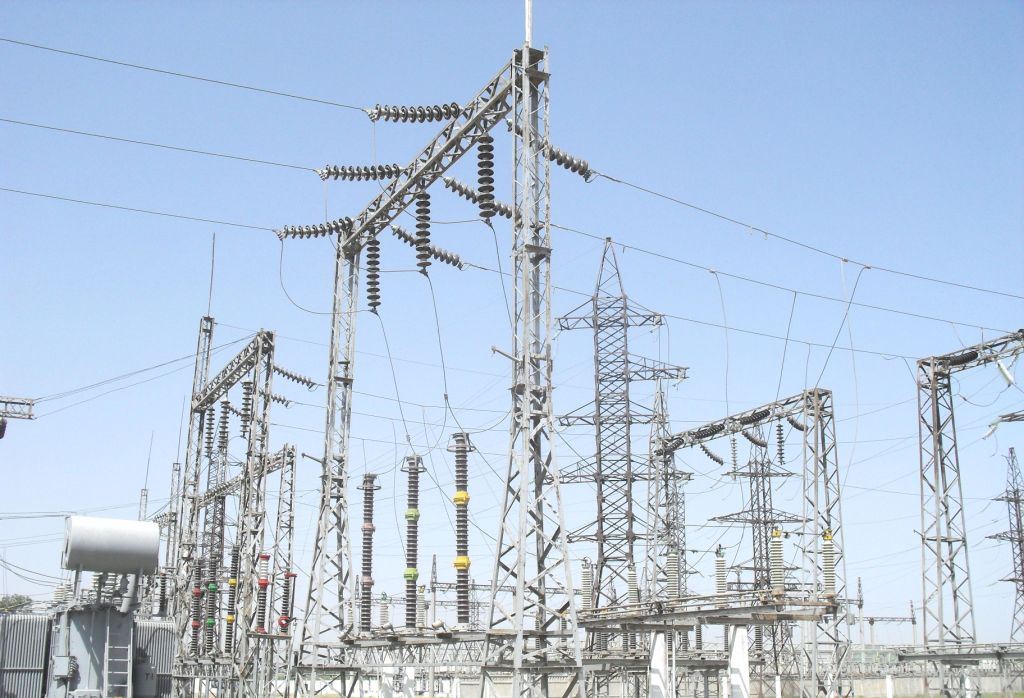
Last month, Tajikistan exported about 46 million kWh of electricity, according to the Agency for Statistics under the President of Tajikistan.
In October, Tajikistan reportedly supplied 38.6 million kWh of electricity to Afghanistan and 7.1 million kWh of electricity to Kyrgyzstan.
Over the first ten months of this year, Tajikistan has exported 1.353 billion kWh of electricity for a total amount of 50 million U.S. dollars – 1.260 billion KWh were supplied to Afghanistan and about 92 million kWh were supplied to Kyrgyzstan.
Tajikistan has sufficient summer-time (defined as May 1 to September 30) hydropower surpluses to export to the neighboring countries.
Tajikistan mainly exports electricity generated by Sangtuda-1 and Sangtuda-2 hydroelectric power plants.
Meanwhile, electricity rationing was introduced in rural areas of Tajikistan on November 1.
Electricity rationing has not affected Dushanbe, regional administrative centers and large cities. The power rationing has also not affected the majority of districts of the Gorno Badakhshan Autonomous Region (GBAO). In GBAO, Tajikistan’s only private power company, Pamir Energy Company (Pamir Energy), operates. This company is responsible for electricity deliveries in the region and the majority of districts in Gorno Badakhshan now have regular power supply.
Measures rationing electricity supplies are usually introduced in all regions except Dushanbe and seek to curb the country's rising electricity consumption. The rationing is introduced in October or November and lasts through March or April next year. The rationing results in the supply of daily electrical power being reduced to 12 or 10 hours. In addition to curbing rising consumption, the move also stems from a decline in the water level in the country's reservoirs powering the main hydroelectric power plants.
In Tajikistan, current price of one kilowatt-hour electricity for residential customers is 14.65 dirams.


“We consider Iran’s success our success, and its failure our failure”: views of Tajikistan’s public figures on the U.S.-Israel war on Iran
More than 2.7 million Tajiks visited Uzbekistan in 2025 for tourism, medical treatment, and education
Recruitment tender
Moody’s raises Tajikistan's credit rating to "B2" with stable outlook
The Line of Durand: How far will the armed conflict between Pakistan and Afghanistan go?
Dushanbe Water Conference 2026 to focus on water management, climate change, and innovation
Emomali Rahmon introduces staff changes in Supreme Court, prosecutor’s offices, and interior ministry
From which countries cars are imported into to Tajikistan?
Trump says he must be ‘involved’ in choosing Iran’s next supreme leader
Dushanbe to host Judo Grand Slam again
All news
Авторизуйтесь, пожалуйста