




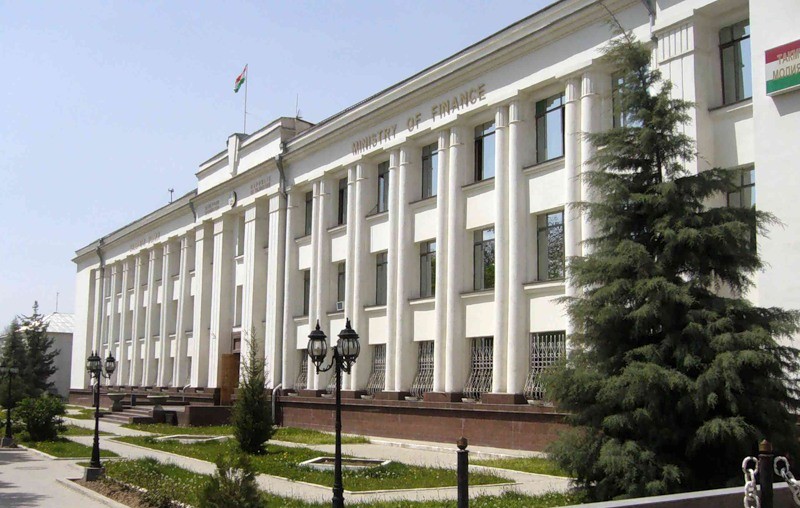
A roundtable to discuss Tajikistan’s national budget for 2017 took place in Dushanbe on December 28.
In a report released at the roundtable, Ms. Muazzama Nazriyeva, the chairperson of the macroeconomics and finance department at the Ministry of Finance, noted that Tajikistan was capable of repaying external borrowings.
“In accordance with conditions of the loan agreements, the government of Tajikistan is repaying its external debts in proper time, stage by stage,” she noted.
According to her, the current external debt of the country is at moderate level and Tajikistan’s external debt-to-GDP ratio this year stood at 33 percent.
Meanwhile, according to the statistical data from the Ministry of Finance (MoF) Secretariat, Tajikistan’s external debt has grown by 118 million U.S. dollars (USD) in nine months to October 1 this year, reaching nearly 2.3 billion USD.
As of January 1, 2016, the country’s foreign debt reportedly amounted to 2.182 billion USD.
More than 2.1 billion USD in the country’s external debt structure is the direct government debt.
Government debt (also known as national debt and sovereign debt) is the debt owed by a central government. Governments usually borrow by issuing securities, government bonds and bills. Less creditworthy countries sometimes borrow directly from international financial institutions.
Government-guaranteed debts reportedly amount to some 22 million USD and debts of state-run enterprises that do not have government guarantees amount to some 31.5 million USD.
Tajikistan’s National Bank now owes 122 million to the International Monetary Fund (IMF), 10 million USD to China and 5.1 million USD to the Islamic Development Bank (IsDB), according to the MoF Secretariat.
Meanwhile, the national borrowing program of Tajikistan designed for 2017-2019 that was endorsed by the country’s parliament on November 16 provides for borrowing 967 million USD within the next three years.

Over 700 artistes in Tajikistan owe more than 660,000 somoni in taxes
How a resident of Khujand became energy-independent
Kazakhstan joins countries sending troops to Gaza: key agreements from the first Peace Council meeting
Murder of gas station cashier in Khatlon province: over 20 stab wounds
Tajik military recruitment official arrested for corruption and bribery
Tajikistan honors athletes with presidential awards for international achievements
Tajikistan's Security Council holds key meeting on national security
Tajikistan shuts down nearly 90 industrial enterprises in 2025
US dollar reportedly maintains dominance in Central Asia amid Chinese yuan hype
US-based company to invest $150 million in Uzbekistan’s gas station network
All news
Авторизуйтесь, пожалуйста