




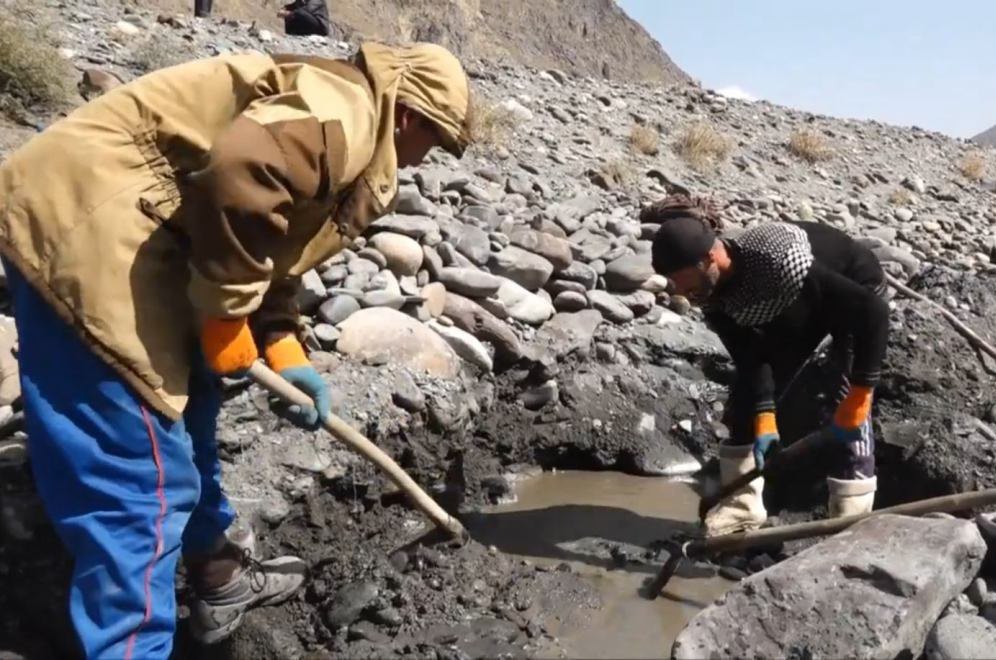
The number of licensed individual prospectors in Tajikistan continues to rise, with the Ministry of Finance issuing permits to 261 people for the extraction of alluvial minerals in the first half of 2025.
According to the ministry, this is a sharp increase from 223 licenses issued during the same period in 2024, bringing the total number of registered prospectors in the country to over 7,500.
The highest number of new licenses was granted in Khatlon province — 104, nearly triple last year’s figure of 36.
In Dushanbe, licenses rose to 39 from 16 a year earlier, while in districts subordinate to the center (RRP) the figure reached 97, down by 47 from last year. The Gorno-Badakhshan Autonomous Region (GBAO) issued 11 licenses, compared to 18 in 2024, and Sughd province granted 10, up slightly from nine.
Licensing rules and mining targets
Licenses are issued under a 2019 government resolution that regulates individual mining. Permits allow physical persons to mine minerals on sites with uncounted and unregistered reserves.
To obtain a license, applicants must submit a request to local financial authorities, which forward it for approval to the Ministry of Finance.
The list of minerals that can be extracted using artisanal and small-scale methods includes:
- Precious and semi-precious metals: gold, silver, platinum, tin, tungsten, titanium, rare earth elements (loparite, monazite, etc.);
- Precious and semi-precious stones: rubies, sapphires, peridots, topazes, garnets, jade, agate, rock crystal, and others.
Extraction is permitted only in areas previously unused for such purposes and must take into account environmental impact.
 Руcский
