




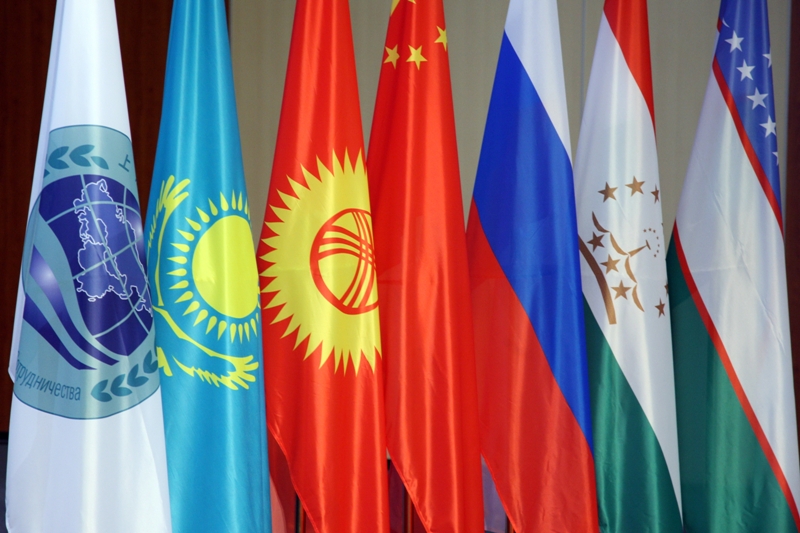
Prime Minister Qohir Rasoulzoda will represent Tajikistan at a meeting of the Shanghai Cooperation Organization (CSO) Council of Heads of Government that will take place in Bishkek, Kyrgyzstan on November 3, according to the Tajik PM Secretariat.
Meanwhile, Kyrgyz news agency AKIpress reports that a session of the Council of Heads of Government of the Shanghai Cooperation Organization member nations will take place in the Kyrgyz capital on November 2-3.
The session participants are expected to discuss a number of issues and sign of 8-10 documents.
The following documents are expected to be signed: the SCO Secretariat report on progress of implementation of the program of multilateral trade and economic cooperation; SCO financial report on implementation of the 2015 budget; SCO budget for 2017; external audit report; list of events on further project activities designed for 2017-2021; the scientific and technical cooperation concept; and plan of actions for implementation of government-to-government agreements between the SCO member nations on scientific cooperation designed for 2016-2020.
The session will end with signing of a joint communiqué, the source said.
While in Bishkek, Tajik prime minister is scheduled to hold a number of bilateral meetings.
The Council of Heads of Government is the second-highest council in the Shanghai Cooperation Organization. This council holds annual summits, at which the member nations discuss issues of multilateral cooperation. The council also approves the organization's budget.
The Shanghai Cooperation Organization currently has six full members -- China, Kazakhstan, Kyrgyzstan, Russia, Tajikistan and Uzbekistan. Afghanistan, Belarus, India, Iran, Mongolia and Pakistan are six observer states, and SCO’s dialogue partners include Armenia, Azerbaijan, Cambodia, Nepal, Sri Lanka, and Turkey.
The Organization’s six full members account for 60% of the land mass of Eurasia and its population is a quarter of the world’s population. With observer states included, its affiliates account for about half of the world’s population.


Statistics vs. wallet: Tajikistan's rising income vs. stagnant quality of life
Kazakhstan's foreign minister visits Freedom IT-Hub in Dushanbe
Uzbekistan plans to launch "Mirzo Ulugbek" satellite and prepare first astronaut
405 people released from liability in Tajikistan for 'liking' extremist-related content
Russia approves agreement allowing migrants from Tajikistan to undergo medical exams before entering Russia
Tajik president holds talks with Kazakhstan's foreign minister to discuss cooperation
Tajik, Kazakh top diplomats discuss economic and cultural cooperation
9 million somoni found in inspector’s account: prosecutors uncover major energy sector embezzlement scheme
Tajikistan records 177 human trafficking cases last year
“They want to undermine our relations with China”: Tajik prosecutor-general on clashes along the Afghan-Tajik border
All news
Авторизуйтесь, пожалуйста