




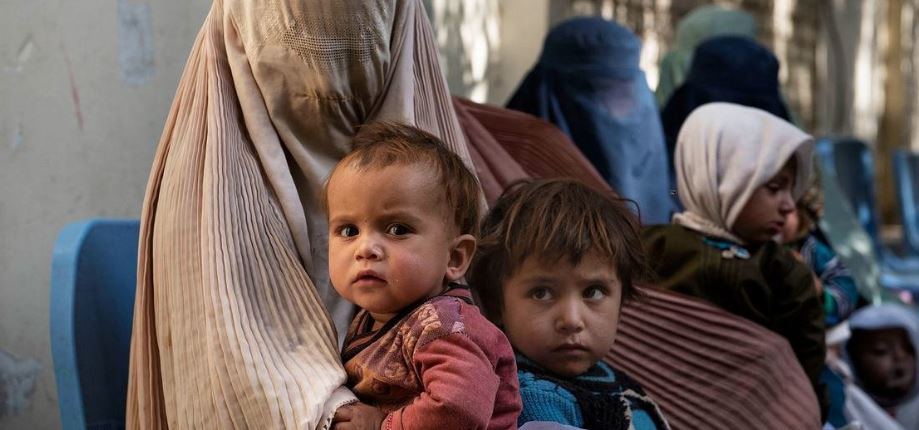
The mass reduction in humanitarian aid funding is leading to the suspension of vital operations worldwide, which is already putting millions of lives at risk, warned the UN Under-Secretary-General for Humanitarian Affairs also Emergency Relief Coordinator, Tom Fletcher, the UN News Center reported on April 30.
"Cutting funding for those who need support the most is not something to be proud of... The consequences of cutting aid are that millions will die," he warned.
Humanitarian programs stopped
Speaking via video from one of the overcrowded hospitals in Kandahar, Afghanistan, Fletcher reported that the financial crisis has already forced UN humanitarian organizations to close 400 primary health centers across the country. Over three million people have lost access to primary healthcare. Many agencies, including WFP, WHO, UNICEF, and UNAIDS, have been forced to take drastic measures to reduce expenses in response to the chronic—and now acute—funding shortage. The implementation of some programs has been completely halted.
Fletcher met with the acting governor of Kandahar province, Shirin Akhund, to discuss ways to resolve the humanitarian crisis. Today, nearly half of the country’s population—about 22.9 million people—needs humanitarian aid.
A matter of life and death
In Afghanistan, the reduction in funding is having a particularly negative impact on the healthcare sector. According to Fletcher, who is visiting the country, doctors are sometimes forced to make "decisions about whose life to save and whose not."
The lack of investment has also affected female healthcare workers, whose salaries have been cut by two-thirds, the Deputy Secretary-General continued. The situation for women in the country has significantly worsened since the Taliban came to power in 2021. During his visit, Fletcher emphasized that development is impossible without the full participation of women in the country’s economy.
Forced return of refugees
Amid growing malnutrition, a lack of basic services, and negative economic forecasts, Afghanistan is facing a large influx of returning Afghan refugees being sent back from neighboring countries, including Pakistan and Iran.
In April alone, more than 250,000 Afghans returned to Afghanistan, of whom 96,000 were forcibly deported. The UN Refugee Agency (UNHCR) expressed concern about the fate of deported women and girls, who are facing increasing repression from the Taliban.
 Руcский
