




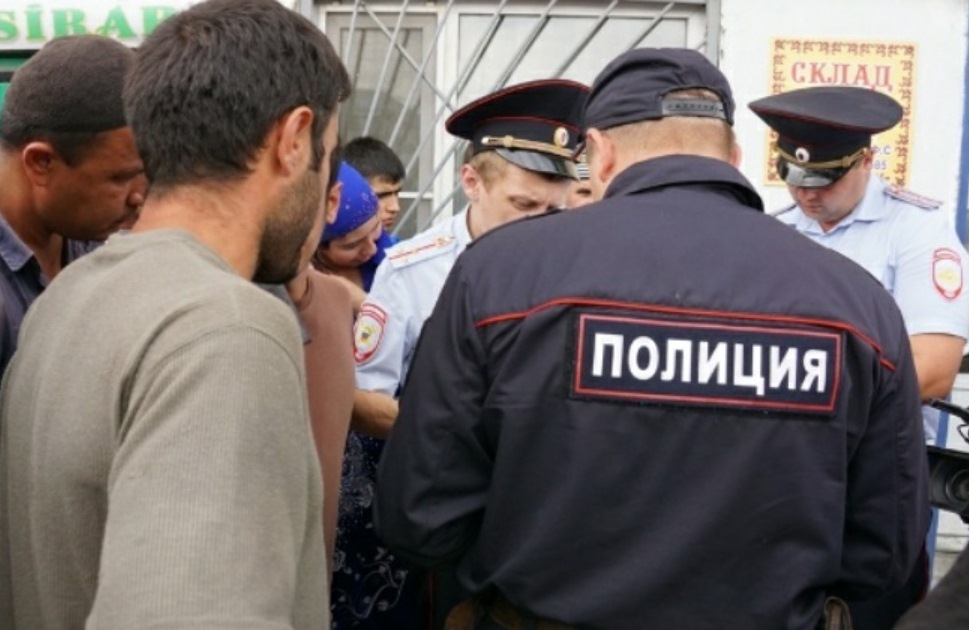
The Russian Ministry of Internal Affairs has been tasked with creating an electronic “Digital Profile of a Foreign Citizen” to improve migration control and national security.
President Vladimir Putin signed a decree on July 9 instructing the Ministry to develop the system, which must be operational by June 30, 2026. The digital platform will serve as a centralized registry collecting data on entry, exit, and stay of foreign nationals and stateless persons on Russian territory.
According to the presidential directive, the new digital profile aims to enhance state security, maintain public order, and optimize the government’s migration policy. Authorities emphasize that the system should provide a comprehensive, accurate, and up-to-date picture of the country’s migration landscape.
This move comes amid broader efforts to digitize and tighten migration control mechanisms. Notably, on December 1, 2024, Russia launched a pilot program to collect biometric data—fingerprints and photographs—from foreign visitors. Initially rolled out at major Moscow airports (Sheremetyevo, Domodedovo, Vnukovo, Zhukovsky) and the Mashtakovo border checkpoint in the Orenburg region, the program has since expanded.
As of June 30, 2025, the biometric registration requirement has been implemented at all border crossing points across Russia. However, certain categories are exempt, including citizens of Belarus, diplomatic mission staff, and their family members.
In addition, foreigners planning a trip to Russia must now submit a travel notification through the RuID mobile app or the Gosuslugi (State Services) portal prior to arrival.
This digital initiative marks another step in Russia’s ongoing efforts to modernize its immigration system amid growing security and administrative challenges.
 Руcский