




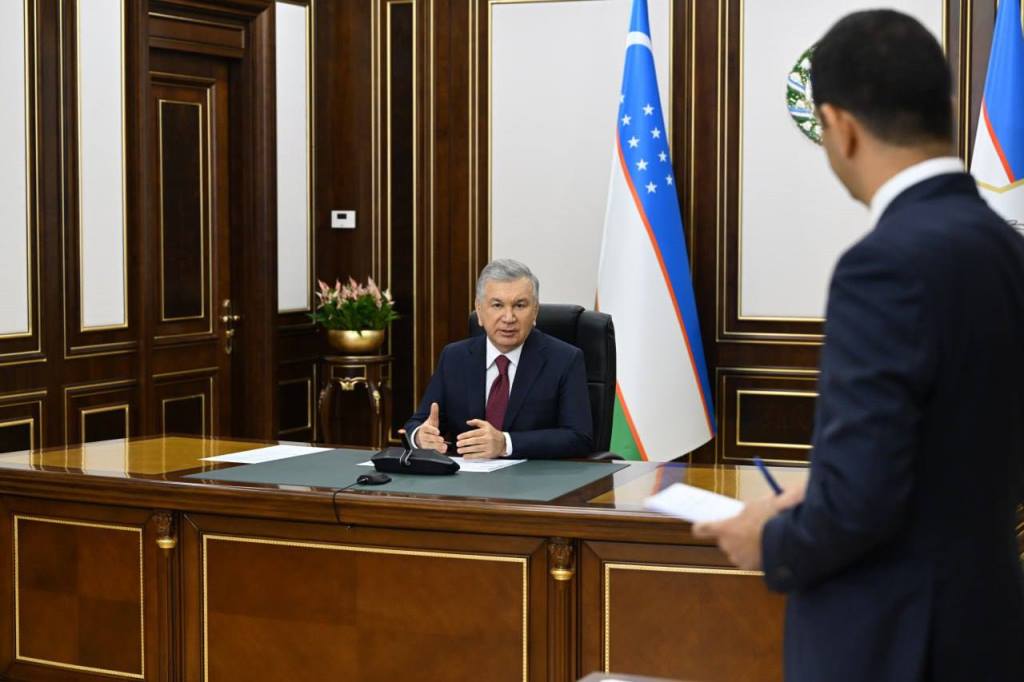
According to a report presented to President Shavkat Mirziyoyev, Uzbekistan has connected more than 3 million citizens to income-generating employment over the first six months of this year. The Uzbek president’s press service disclosed the data, highlighting efforts to modernize the country’s labor market.
The Uzbek government is reportedly implementing new employment models inspired by international best practices. One key initiative is fostering cooperation between the banking sector and local community organizations, or mahallas, to expand job opportunities.
These efforts have already yielded measurable results: as of July 1, 2025, the national poverty rate reportedly dropped to 6.8%. However, challenges remain — especially in aligning professional education with labor market demands.
Authorities stress that better collaboration with employers, improving training quality, and boosting private sector engagement are essential to sustaining progress. Outdated labor regulations continue to hinder small businesses, while digital tools for employment services remain underutilized.
To address these issues, new initiatives have been proposed. Among them is a plan to transform employment offices into partnership-based structures that can more accurately collect job vacancy data and guide job seekers efficiently.
A pilot version of a new digital employment platform is also scheduled to launch in Tashkent, with plans for nationwide rollout. Priority will be given to hard-to-fill vacancies, with the aim of enhancing targeted vocational training.
The government also intends to shift to a three-tier vocational education system and expand access to retraining through “professional vouchers” and free online courses.
President Mirziyoyev emphasized that developing a skilled workforce is critical to reducing both unemployment and poverty in Uzbekistan.
 Руcский