




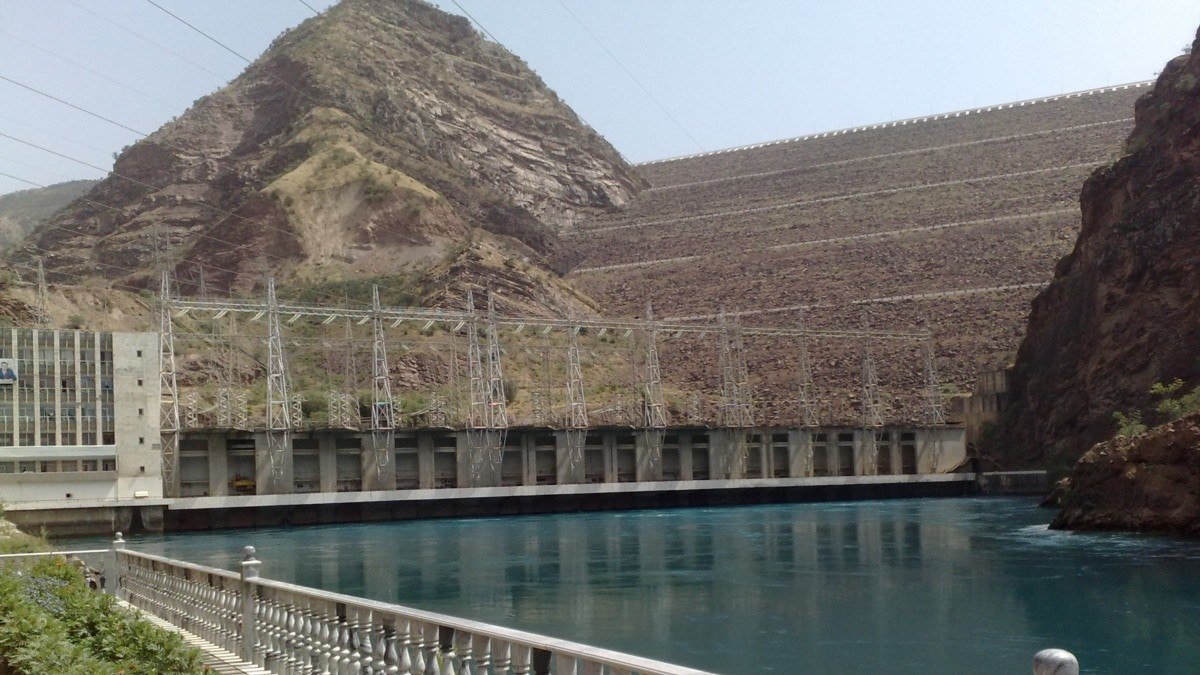
The Nurek hydroelectric power plant (HPP) in Tajikistan is undergoing planned maintenance and upgrades to ensure its equipment operates efficiently and reliably throughout the 2025–2026 fall-winter season, the state-run news agency Khovar reports.
According to Anvar Kiromoddinov, Deputy Engineer-in-Chief of the plant, these efforts aim to ensure the country’s energy supply during the challenging winter months. He emphasized that the measures are essential for guaranteeing high-quality electricity for the nation during the colder season.
As part of the preparations, the Nurek HPP has successfully completed several key tasks in accordance with an approved plan:
- Stockpiling anti-skid materials for the station’s access roads
- Preparing vehicles and machinery for operational use
- Clearing gravel from the area behind the protective wall of the “Seismological Station” building
- Ensuring readiness of diesel generators
- Clearing sediment from sluices 1 and 2 of the Safedob stream and from the Lager stream basin
Additionally, modernization work continues on the seventh hydro-unit, along with ongoing repairs and maintenance on other units.
The Nurek HPP remains a strategic asset in Tajikistan’s energy sector, providing more than half of the country’s electricity supply, particularly during the winter months. The station’s installed capacity is currently 3,015 MW, supported by nine hydro-units, each with a capacity of 335 MW. The first hydro-unit began operations in 1972, and the last unit was commissioned by the late 1970s.
The Nurek HPP is undergoing a large-scale renovation, which includes repairs and upgrades to its hydro-units. In October 2022, the first restored hydro-unit was brought online, with its capacity increased to 375 MW, approximately 10% higher than its previous capacity. In August 2024, the fourth hydro-unit was also put into operation after reconstruction.
Upon the completion of all planned works, the station’s capacity is expected to reach 3,375 MW, further strengthening its role in securing the country’s energy needs.
It is important to note that from late September to April, Tajikistan faces a seasonal energy deficit. During this period, rural areas experience limited electricity supplies, while major cities receive continuous power. The preparation and ongoing modernization of the Nurek HPP are crucial in addressing these challenges and ensuring stable energy access across the nation.
 Руcский
