




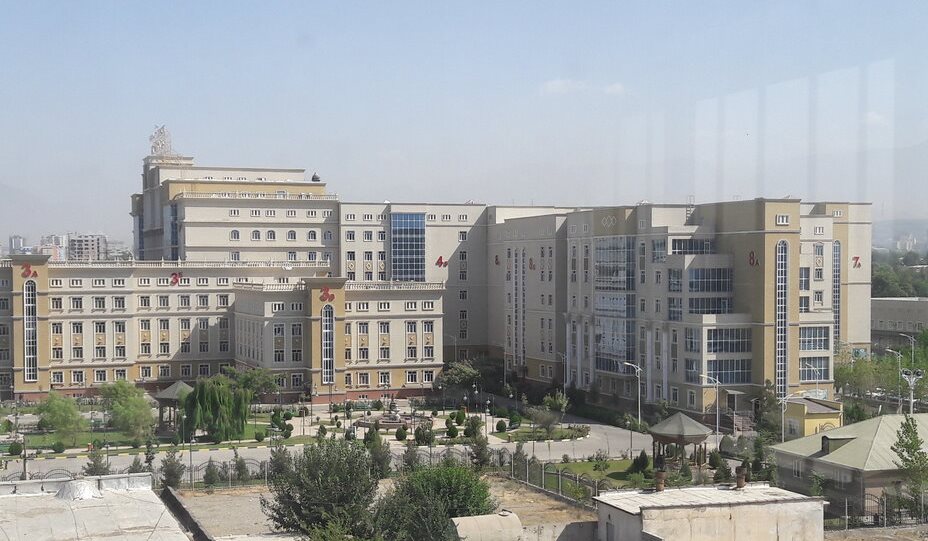
Authorities in Tajikistan have denied reports alleging that illegal organ transplant surgeries were carried out at the Istiqlol clinic in Dushanbe.
Earlier, Uzbekistan’s Ministry of Internal Affairs announced the detention of suspects in Tashkent accused of organizing the illegal trade of human organs and claimed that the surgeries had been performed in Tajikistan.
The State Institution “National Scientific Center for Organ and Tissue Transplantation,” located in the building of the Istiqlol State Institution, stated that such claims do not correspond to reality.
The Center’s director, Saidmahmud Ismoilzoda, emphasized that all transplant procedures are conducted strictly in accordance with the legislation of the Republic of Tajikistan. According to him, regardless of citizenship or place of residence, patients and their relatives are required to comply with established legal norms.
The Center explained that the transplantation process includes mandatory verification of documents confirming family relations, medical examinations of both donor and recipient, psychological assessment of the donor to ensure voluntariness, review of materials by a medical commission, and obtaining written consent from both parties.
All documentation is submitted to the Ethical Commission on Organ and Tissue Transplantation under the Ministry of Health and Social Protection of the Population of Tajikistan. Only after receiving the Commission’s approval are kidney or liver transplant surgeries performed. If any violations or concerns arise, preparation for the surgery is suspended until all circumstances are clarified.
Ismoilzoda noted that all stages of diagnosis and decision-making are documented, and medical personnel act strictly within the scope of their authority.
Statement by Uzbekistan’s interior ministry
On February 18, Uzbekistan’s Ministry of Internal Affairs reported the detention in Tashkent of individuals suspected of organizing illegal organ trafficking. According to the ministry, a previously convicted man and his wife allegedly arranged illegal kidney transplant surgeries at the Istiqlol clinic in Tajikistan.
The Uzbek authorities stated that the suspects posted videos on social media featuring seriously ill individuals, including children, announcing fundraising campaigns that were allegedly used for personal gain. They also reportedly searched for “clients” through Telegram, Instagram, and YouTube.
A criminal case has been initiated under Part 2 of Article 133¹ of Uzbekistan’s Criminal Code (“Purchase and sale of human organs and/or tissues committed by a group of persons”). The suspects have been placed in pre-trial detention, and the investigation is ongoing.
As of the time of publication, Tajikistan’s law enforcement authorities had not issued a public response to the statement made by the Uzbek side.
Who can become a donor in Tajikistan
In Tajikistan, organ transplantation is regulated by the Law “On Transplantation,” which primarily permits organ donation from close relatives. Although the country’s legislation allows for posthumous donation, this practice has not yet become widespread.
In February 2025, Tajikistan’s Minister of Health, Jamoliddin Abdullozoda, stated that the country has the technical capacity to perform heart, pancreas, and intestinal transplant surgeries. However, further development in this field is constrained by an insufficient donor base.
Currently, transplant operations are mainly performed at the National Scientific Center for Organ and Tissue Transplantation in Dushanbe, as well as at a similar specialized center in Danghara.
 Руcский