




The Supreme Court of Tajikistan has announced the possibility of reviewing previously issued prison sentences related to social media activity, such as "likes" and reposts. The move follows recent legislative changes and growing criticism over the criminalization of online expressions.
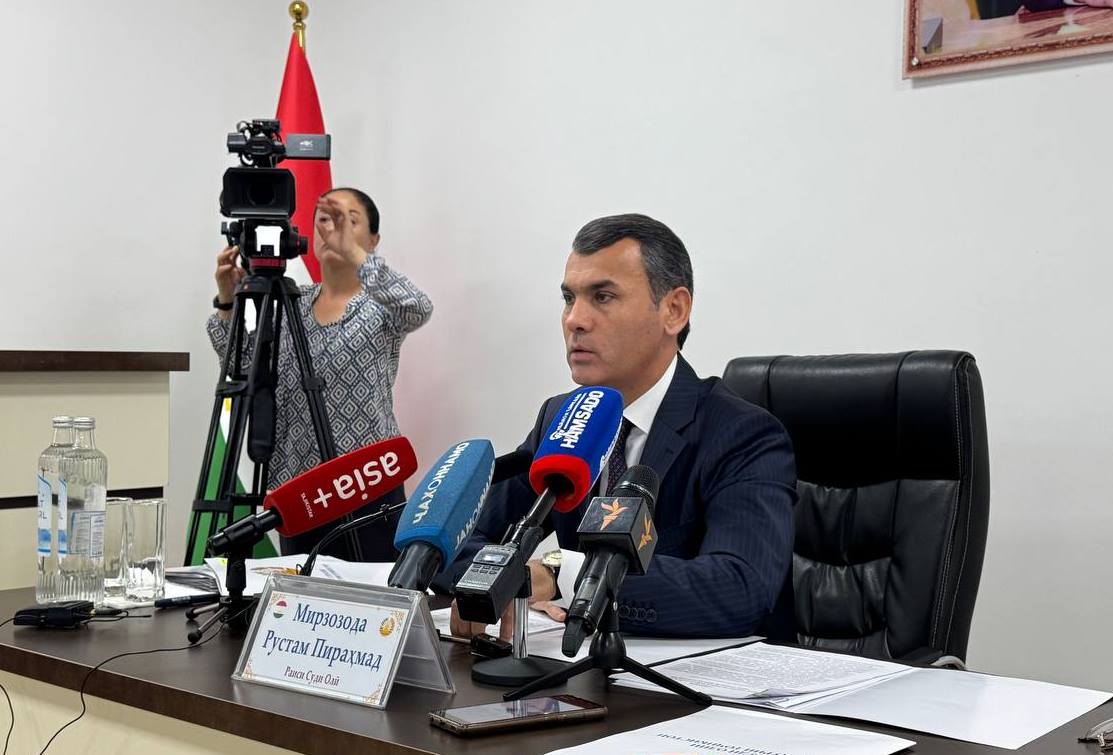
Speaking at a news conference in Dushanbe on August 7, Supreme Court Chairman Rustam Mirzozoda stated that courts may now reconsider sentences if the conviction was solely based on digital reactions to online content.
“While most cases involving social media also include other charges, we are open to reviewing verdicts where the conviction was based only on 'likes' or reposts,” he said.
So far, no appeals have been filed and no sentences have been reconsidered.
Legal experts confirm that Tajik law allows for retroactive application of criminal code amendments if they reduce punishment or decriminalize certain actions. This means that recent legal changes could impact both ongoing and past cases.
Background: from harsh penalties to legal reform
In 2018, amendments to Tajikistan’s Criminal Code introduced severe penalties for “public calls to terrorist activity,” explicitly extending the law to actions performed on the internet. Likes, reposts, and comments on extremist materials were considered evidence of criminal involvement, punishable by up to 15 years in prison under Article 179. Article 307 similarly imposed long sentences for public calls to extremism.
This legal framework led to more than 1,500 people being incarcerated by 2024 for social media interactions deemed extremist.
The policy drew increasing domestic and international criticism for restricting freedom of expression and punishing citizens for minimal online activity.
Presidential criticism sparks change
In October 2024, President Rahmon publicly condemned the practice of prosecuting social media users for likes and reposts, calling it “excessive and mistaken.” He stressed that such digital actions should not automatically be treated as criminal offenses.
Following this stance, the recent law officially repeals criminal liability for such social media interactions, marking a significant shift in Tajikistan’s approach to internet freedom and justice.
Why the president reversed course
Tajik legal expert Ranzhet Yatimov pointed to three possible motivations behind President Rahmon’s shift in stance:
- Protecting the country’s international image: As a member of global human rights organizations, Tajikistan faces pressure to uphold freedom of expression. Continued prosecutions for online engagement were harming its global reputation.
- Responding to public dissatisfaction: Growing public resentment over arrests for social media use may have prompted the president to act to restore public trust in the legal system.
- Addressing legal inconsistencies: A vague and subjective application of the law had led to inconsistent enforcement. The president may have aimed to clarify legal standards and reduce arbitrary rulings.
As the courts prepare for potential case reviews, attention now turns to whether those convicted under the old provisions will seek justice under the amended law.
 Руcский