




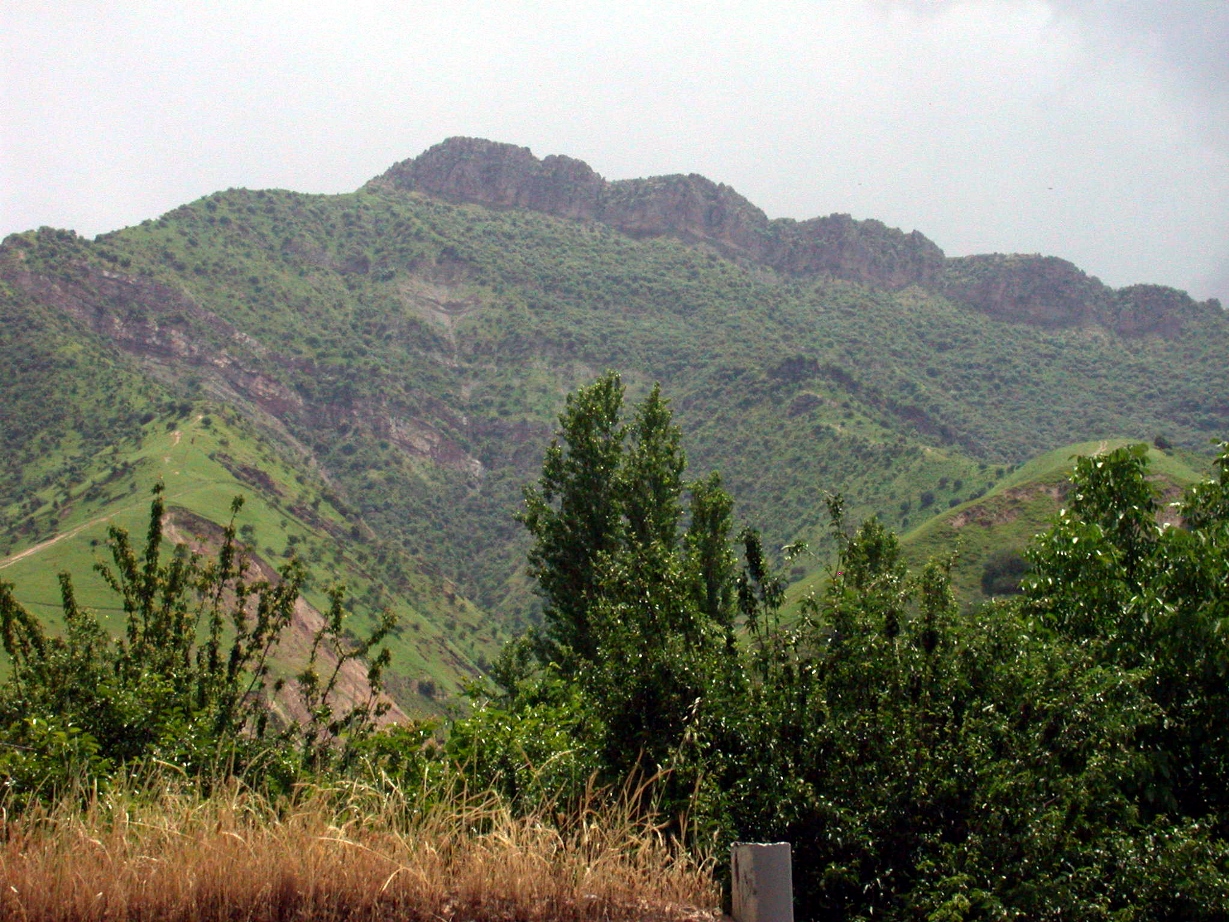
Climate change poses a significant threat to the ecosystems of Tajikistan, particularly its forests. Forests cover only 3% of the country’s territory, but their role in maintaining ecological balance is crucial. They regulate the climate, prevent soil erosion and landslides, and provide local populations with fuel, medicinal plants, and fodder. However, the impacts of climate change, such as rising temperatures and reduced rainfall, are having a devastating effect on these natural resources.
The loss of forests through personal experience
Odina, who lived in the foothills of the Hisor Ridge, recalls how, in the 1980s, the journey home took several hours. At that time, the forests he passed seemed endless: dense hawthorn groves, wild pears, plums, almonds, and high trees like tuğ, which he could not name. These forests served as shelter for animals and birds, provided shade, and fed people with berries and fruits.
Thirty years later, when Odina retraced his steps, he saw a very different picture. “Now everything is visible, like on the palm of your hand,” he says, lamenting the disappearance of the forest, with once-common plants now gone.
Problems caused by climate change in Tajikistan
1. Reduction in forest area
Since the 1990s, the forested area of Tajikistan has significantly shrunk, posing a severe environmental threat. Forests now cover only 3% of the country, whereas a century ago, they covered 20%. Today, the area of tugai forests has shrunk by more than eight times. Deforestation leads to soil erosion and decreased water resources.
2. Increase in natural disasters
The increase in floods, landslides, and droughts in recent years is linked to forest degradation. These phenomena are exacerbated by rising temperatures and reduced rainfall. Forests that once served as natural barriers are disappearing, leaving the environment more vulnerable.
3. Vulnerability to fires and pests
Rising temperatures make forests more susceptible to wildfires. Recent years have seen several fires in regions like Varzob and Penjikent, exacerbated by a lack of fire-fighting infrastructure. Additionally, climate change encourages the spread of forest pests like bark beetles, threatening rare tree species.
4. Loss of soil protection
Forests play a critical role in protecting soil from erosion, especially in mountainous regions. Deforestation accelerates slope degradation, leading to increased soil erosion and risks to agriculture.
5. Threats to biodiversity
The reduction and degradation of forests negatively impact biodiversity. Many rare plant species, such as the Vavilov almond and Turanga, are under threat due to deforestation and climate change.
Efforts to restore Tajikistan’s forests
In response to climate change, Tajikistan is working on forest restoration programs. Under the Bonn Challenge, the country has committed to restoring 66,000 hectares of degraded forests by 2030. The plan includes planting new tree plantations adapted to changing climate conditions, such as pistachios, walnuts, and saxaul.
Additionally, the 2022–2026 Forestry Development Program includes the modernization of nurseries and the creation of industrial plantations, aimed at improving forest productivity and meeting local needs for forest products.
Involving local populations
For successful forest restoration, it is essential to involve local populations. In some regions, like Sangvor and Shamsiddin-Shohin districts, locals actively participate in gathering forest berries and medicinal plants, learning sustainable resource management. This approach not only aids in ecosystem restoration but also provides new economic opportunities for local communities without harming the environment.
Conclusion
Climate change is severely affecting the forests of Tajikistan, threatening their ecosystem functions and increasing natural disasters. However, Tajikistan is taking significant steps to restore its forest resources, which will help improve ecosystem health and increase the region's resilience to climate change.
 Руcский
