




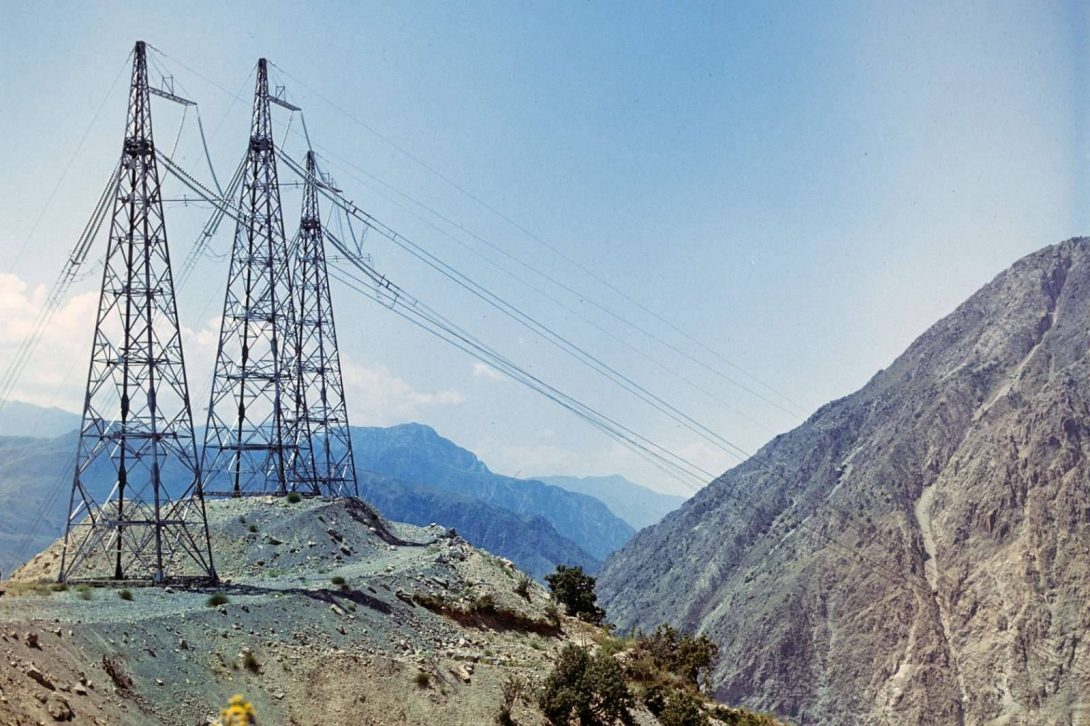
Tajikistan is reportedly set to reduce its electricity exports to Afghanistan by a quarter this coming winter due to internal energy supply challenges.
In an interview with Amu.tv, Abdul Bari Omar, CEO of the Taliban-run Da Afghanistan Breshna Sherkat (DABS), the country’s national power utility, emphasized Afghanistan’s heavy reliance on imported electricity, much of which comes from Tajikistan. But Tajik authorities reportedly informed the company that Tajikistan will reduce electricity exports to Afghanistan this winter by 25 percent due to domestic supply problems.
The shortages reportedly come as demand in Afghanistan has been rising. The utility said it connected new customers this year, distributing an additional 80 megawatts of electricity to households and businesses, which has strained the grid. Kabul residents have reported more frequent blackouts in recent weeks, with some saying the outages are longer and more severe than in previous years.
Currently, only about 40 percent of Afghans have access to electricity, and DABS has warned that the country could face deeper shortages this winter as imports decline.
Tajikistan typically supplies Afghanistan with around 150 megawatts of electricity annually. However, as winter approaches and domestic demand spikes, Tajikistan’s ability to maintain exports becomes limited.
Amu.tv reports that Afghanistan faces a severe electricity shortage, with over half of its daily demand—roughly 720 MW out of the required 1,500 MW—being met through imports from Tajikistan, Uzbekistan, and Turkmenistan.
Residents in Kabul have already begun to experience more frequent and prolonged blackouts compared to previous years.
Electricity exports to Afghanistan are governed by a 20-year agreement signed in 2008. Each year, the two countries sign an additional protocol outlining specific volumes and prices for the coming year. Tajik officials maintain that exports occur mainly in spring and summer, and during winter, only minimal volumes are sent to sustain grid infrastructure in Afghanistan.
Meanwhile, Tajikistan’s Ministry of Energy reported that over the first half of this year, the country exported 718 million kilowatt-hours of electricity to Afghanistan, valued at 312 million somonis (approximately US$33 million). This accounted for nearly 64% of Tajikistan’s total electricity exports during that period. On average, annual exports to Afghanistan total around 1.5 billion kilowatt-hours.
Most of Tajikistan’s electricity exports occur in warmer months when domestic supply is more stable. In contrast, during the autumn-winter period, the country itself experiences acute shortages. Last winter, rural residents received electricity for only three hours in the morning and five hours in the evening.
Electricity rationing in Tajikistan's rural areas began in late September, affecting not just households but also small businesses and retail outlets.
 Руcский
